Welcome to Tunbridge Wells Clinic
Your Skin, Our Expertise
Our expert team, led by Dr. Noor Alwash and Mr. Mahmoud Salman, are dedicated to delivering exceptional dermatology, aesthetic care and varicose vein therapy.
Our expert team, led by Dr. Noor Alwash and Mr. Mahmoud Salman, are dedicated to delivering exceptional dermatology, aesthetic care and varicose vein therapy.
In the case of a malignant skin cancer excision, we will remove the cancer and some normal-looking skin around it. The normal-looking skin is checked under a microscope to make sure all the cancer has been removed and the wound will be closed with sutures and a dressing.
Learn more from the British Association of Dermatologists →This technique removes benign growths such as areas of sun damage, seborrhoeic warts and occasionally low risk skin cancers. The abnormal tissue is removed by scraping with a sharp scalpel or razor blade flush with the surface of the skin. We use a cauterizing device, and the resulting wound will be left to heal like a graze.
Learn more from the British Association of Dermatologists →Hyperhidrosis — excessive sweating — is a common condition. Botulinum toxin works by blocking the nerves which activate your sweat glands and the injections are given into the area that commonly sweats. Typically patients would have treatment once or twice a year.
Learn more from the British Association of Dermatologists →A corticosteroid injection can reduce the thickness, redness and symptoms of noticeable scars. Steroids break the bond between collagen fibres which reduces the amount of scar tissue beneath the skin. The process may require multiple sessions.
Learn more from the British Association of Dermatologists →Cryotherapy removes skin lesions by freezing them with liquid nitrogen. Most commonly used to remove actinic keratoses (sun-damaged skin), viral warts, seborrhoeic keratoses, Bowen's disease and other benign lesions.
Learn more from the British Association of Dermatologists →Removal of moles, cysts, warts, skin tags and shave excision. The approach depends on the size, location, and nature of the lesion. Atypical moles are usually removed under local anaesthetic by scalpel. Benign raised moles, warts or skin tags are usually removed by shave excision.
Learn more from the British Association of Dermatologists →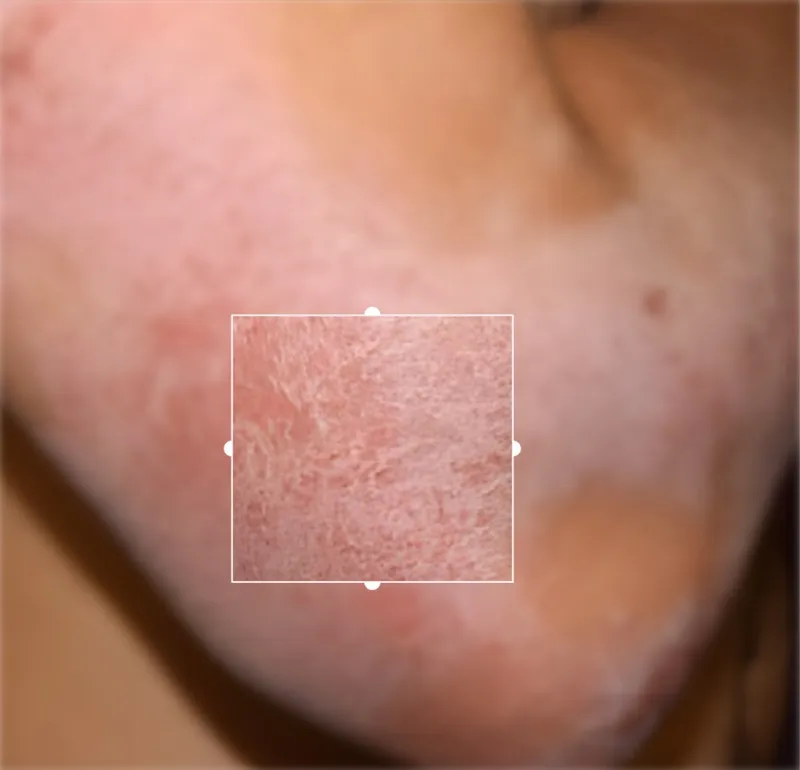
The most common inflammatory skin disease worldwide. Presents as generalised skin dryness, itch, and rash. Treatment includes topical treatments, tablets, phototherapy and biologic injections.
Learn more →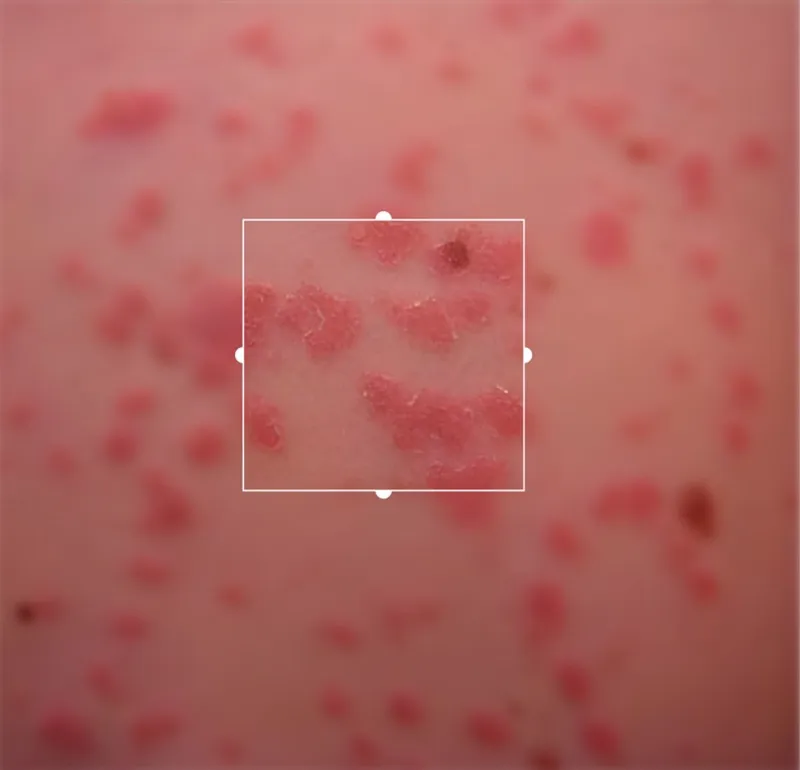
A chronic inflammatory skin condition characterised by clearly defined, red and scaly plaques. Treatment includes topical treatments, tablets, phototherapy and biologic injections.
Learn more →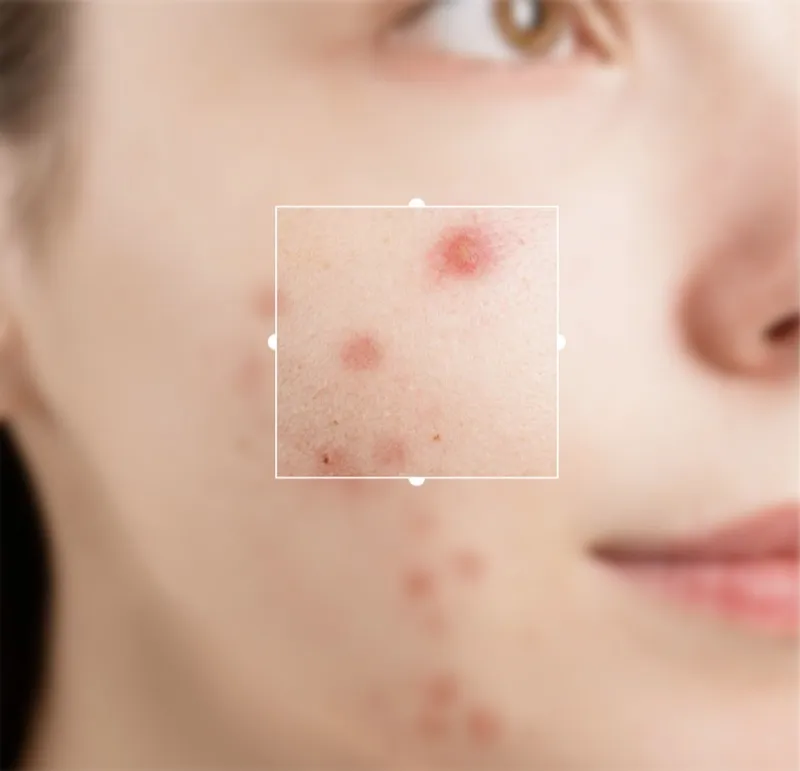
A common chronic disorder affecting the hair follicle and sebaceous gland. Treatment includes topical treatments, antibiotics and Isotretinoin. We also offer treatment for acne scars.
Learn more →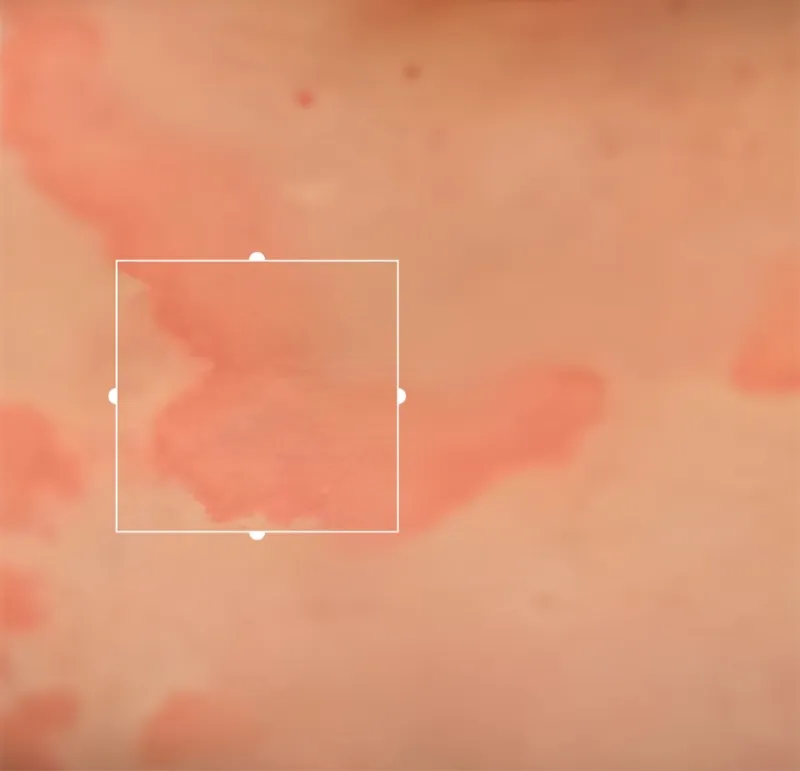
Presents as itchy weals (hives) with or without angioedema. Our team provides effective management strategies to control and minimise symptoms.
Learn more →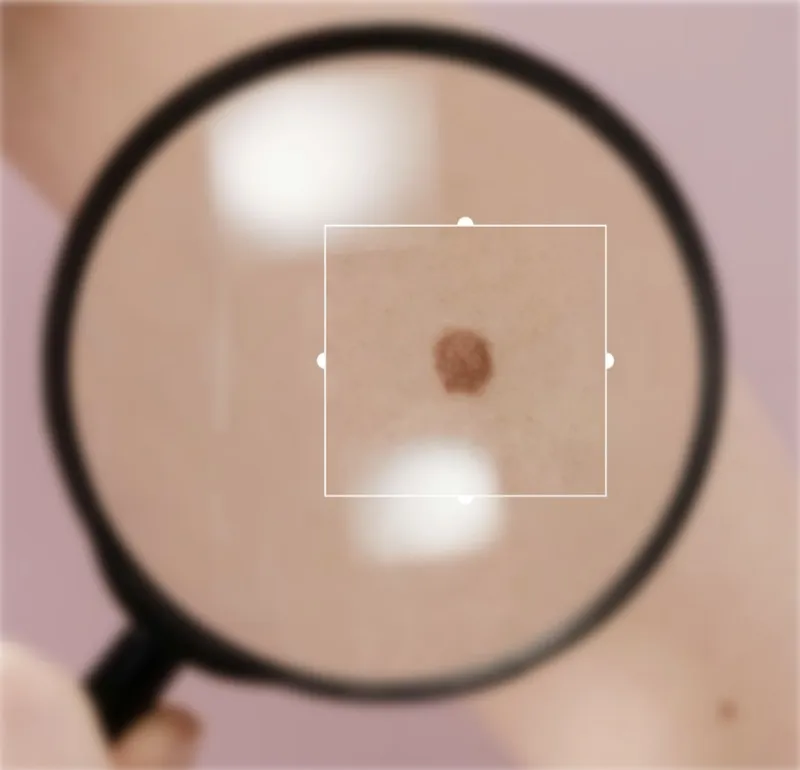
Comprehensive care for benign and malignant skin lesions, including accurate diagnosis and treatment options.
Learn more →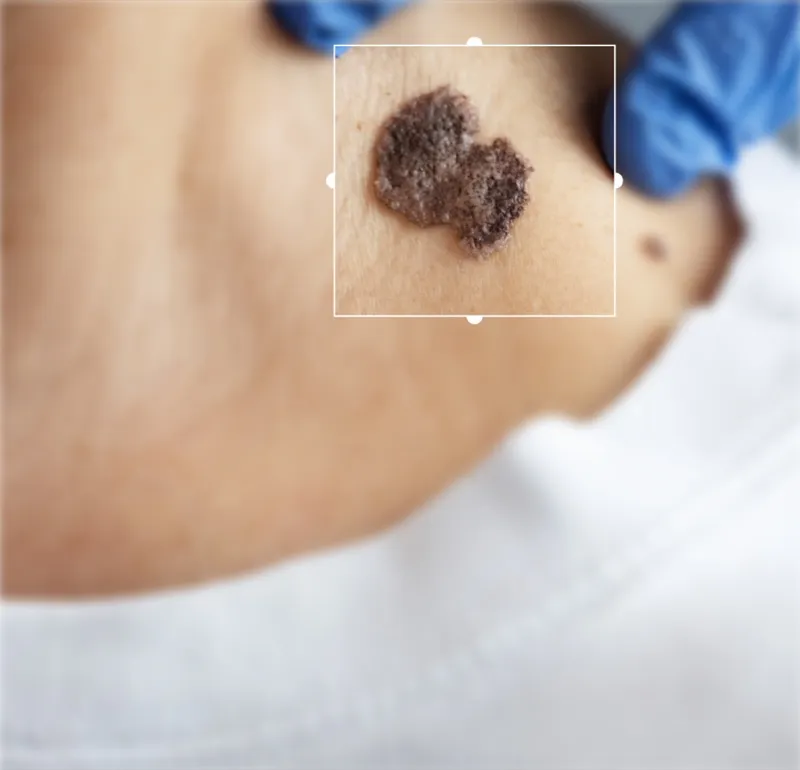
Early diagnosis and expert surgical management. Advanced procedures including biopsy and excision to ensure removal and histology analysis.
Learn more →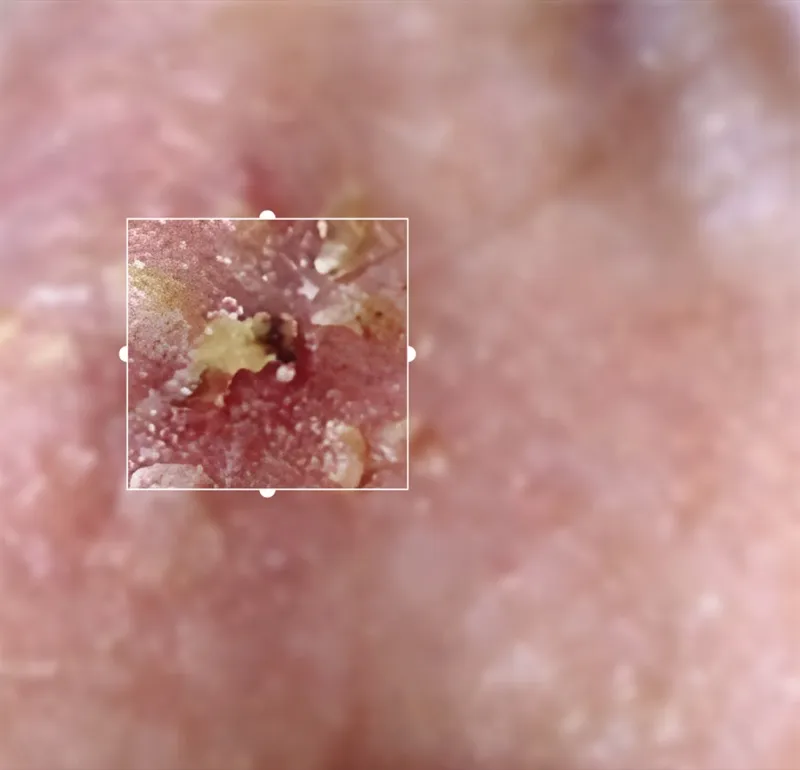
Prolonged sun exposure can cause premature aging and increase the risk of skin cancer. We offer diagnostic and treatment solutions tailored to your skin's needs.
Learn more →Radiofrequency ablation of varicose veins involves using radiofrequency energy to heat the wall of the vein so that it collapses, causing the vein to close and seal up. Blood is redirected through nearby healthy veins.
Both radiofrequency ablation and foam sclerotherapy are usually carried out as outpatient procedures. In foam sclerotherapy, a solution is mixed with air creating a foam which is injected into the affected vein using ultrasound guidance. More than one session may be required.